
Sheep, seaweed and methane
A brief discussion of the way that science could find a natural plant-based solution to a major problem and also inspired my Dulse Bubble cowl pattern
Abigail Collins
1/7/20262 min read


Sheep's wool is a remarkable fibre, but sheep rearing does have a couple of major issues that cannot be ignored. The one I will be talking about here is methane production.
Methane is a greenhouse gas and contributes hugely to global warming. Sheep produce large amounts of the stuff because they are ruminants.
Sheep are not the only ruminants. There are about 150 different domestic and wild ruminant species including cows, goats, deer, buffalo, bison, giraffe, moose and elk.
The good news


Ruminants and methane
Ruminants have four-chambered stomach and 'chew the cud'. Cud is a ball of food that is regurgitated, rechewed, and reswallowed. That sight of a sheep steadily and repeatedly moving it's jaw side to side is where the phrase 'chewing the cud' comes from. It means to think something over slowly and carefully.
The bacteria that help sheep and other ruminants digest their food produce methane gas which the sheep then belch out.
A growing numbers of scientists are researching the effect of particular strains of seaweed on methane production. There are encouraging signs that supplementing sheep's diet with this seaweed can significantly, and I mean that in the statistical sense, reduce methane emissions. This is easier of course where sheep are not roaming the hills, but even if the supplementation only works in the colder months when sheep are under closer control, then that is a start.


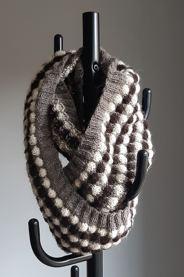
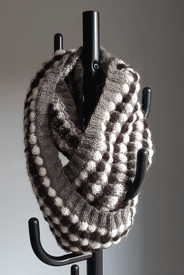
Dulse Bubble Cowl
I had to make a pattern that celebrated this new science, so here is the Dulse Bubble cowl. It is long and flowing like seaweed and has bubbles like those of the mature Dulse. The pattern includes a tutorial on how to safely create the bubble stitch. I have knitted it in natural shades of pure wool which are probably not fed on Dulse, well not yet ....
Dulse and the sheep of North Ronaldsay
Dulse is a type of brown seaweed. North Ronaldsay is a remote island of about 60 humans and thousands of sheep. It is one of the Orkneys, a group of islands found north of the mainland of Scotland. For 200 years the rare breed sheep of North Ronaldsay have thrived on seaweed, mainly Dulse. This showing that seaweed can provide the nutrition that sheep need.


Connect
Explore the intersection of art and nature.
Follow
Inspire
contact@grewtextile.co.uk
© 2026. All rights reserved.